
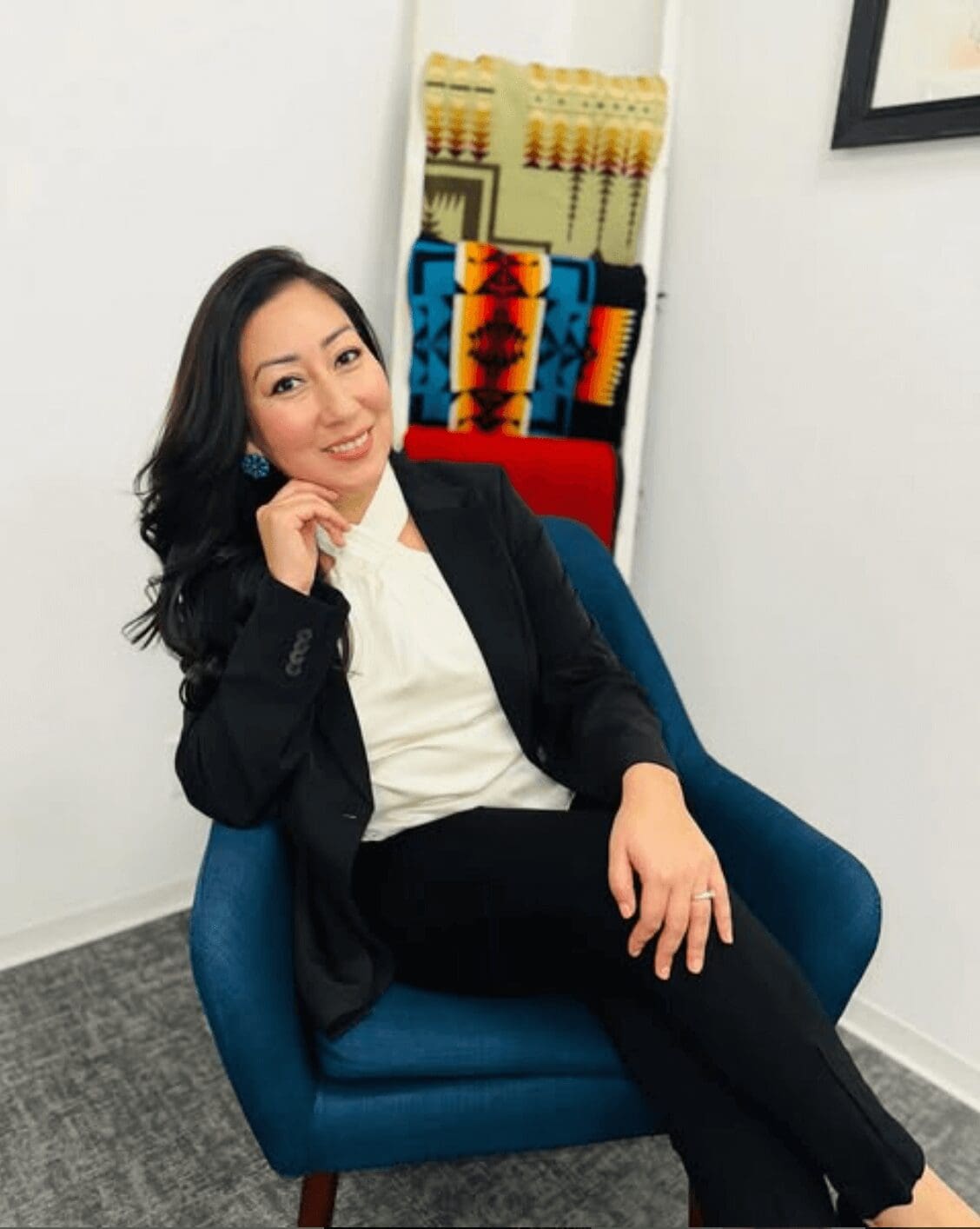
“Community Spotlight” is a new segment where we discuss mental health themes/topics with community members, leaders and agencies in Long Beach and Los Angeles.
Interviewer: Hey! Thank you for sharing your time and wisdom with our readers. Today, we’ll be discussing mental health practices that center Indigenous core principles. Please start off by introducing yourself.
Interviewee: Yá’át’ééh (hello)! My name is Monique Castro, and I am a citizen of the Diné (Navajo) Nation and Xicana. I wear many hats in life—I’m a licensed therapist, leadership coach, and the founder of Indigenous Circle of Wellness, a Native American-owned and operated group private therapy practice. But beyond my professional roles, I am also a mom, wife, auntie, eldest daughter, and community member. My life is deeply rooted in relationships, and I carry those connections into everything I do, whether it’s showing up for my family, supporting my community, or holding space for healing. Since 2017, my work has been about providing culturally responsive mental health support and wellness services for Black, Native/Indigenous, and People of Color. I am committed to creating spaces where people feel seen, valued, and supported—where healing is not just an individual journey but a collective one that honors our ancestors, traditions, and the strength of our communities.
Interviewer: Let’s start with why mental health practices that center Indigenous core principles are so important to discuss.
Interviewee: Mental health practices that center Indigenous core principles are crucial because they acknowledge and affirm the interconnectedness of our well-being—mind, emotions, body, spirit, and community. Mainstream mental health approaches often overlook historical and intergenerational trauma, as well as the strengths and protective factors found in Indigenous ways of knowing. By integrating core principles such as relationality, reciprocity, storytelling, land-based healing, and cultural practices, we offer holistic, community-centered support that fosters true healing and well-being. We’ve noticed that a crucial missing link in many clients’ healing and wellness journeys is their connection to culture. When cultural identity is woven into the process, we witness profound and beautiful transformations—healing that feels deeper, more authentic, and truly aligned with who they are.
Interviewer: Thank you for addressing that. I’m curious to learn more about the impact of mental health practices that center Indigenous core principles on the community/population you support?
Interviewee: The impact is profound. When individuals and families receive care that reflects their cultural values and lived experiences, they feel seen, heard, and empowered in their healing journey. Through our work at Indigenous Circle of Wellness, we’ve witnessed increased engagement in mental health services, stronger community connections, and a deeper sense of cultural identity. Whether it’s through traditional wellness gatherings, intergenerational teachings, or integrating ceremony and storytelling into therapy, these approaches help to reclaim healing practices that have always been a part of our communities. They not only address trauma but also celebrate our resilience, joy, and collective strength.
Interviewer: With that said, what are some major takeaways, tools or resources you can share with all of us as we learn more about mental health practices that center Indigenous core principles?
Interviewee: One key takeaway is that healing is relational, It’s not meant to be done in isolation. Building relationships with community, land, and ancestors is an essential part of wellness. Some tools to consider are:
- Engaging in community gatherings or cultural events that foster connection.
- Learning from Indigenous healers, elders, and knowledge keepers.
- Practicing mindfulness and grounding techniques rooted in the land, such as walking meditations, swimming in the water, or simply witnessing nature.
- Seeking therapy or wellness services from providers who understand and honor Indigenous perspectives.
- Exploring books, podcasts, and resources created by Indigenous mental health professionals and cultural practitioners.
I also encourage non-Native allies to support Indigenous-led initiatives and advocate for culturally responsive mental health care in their communities.
Interviewer: What a gift to have you join us today- Where can our readers learn more about your work?
Interviewee: Thank you for having me! You can learn more about our work and the services we offer at Indigenous Circle of Wellness by visiting our website at www.icowellness.com or following us on social media (Instagram and Facebook) @indigenouscircleofwellness. We share resources, event updates, and ways to engage with Indigenous mental health and wellness practices.

READ & LEAVE A COMMENT
SHARE: